Berlin has always moved to its own rhythm. While many think of its techno clubs, political revolutions, or wall graffiti when they hear the city’s name, few realize how deeply escort services have been woven into its streets for over a century. This isn’t just about sex work-it’s about survival, power, repression, and freedom, all played out in the shadows and spotlight of one of Europe’s most turbulent cities.
19th Century: The Birth of a Trade in a Growing Capital
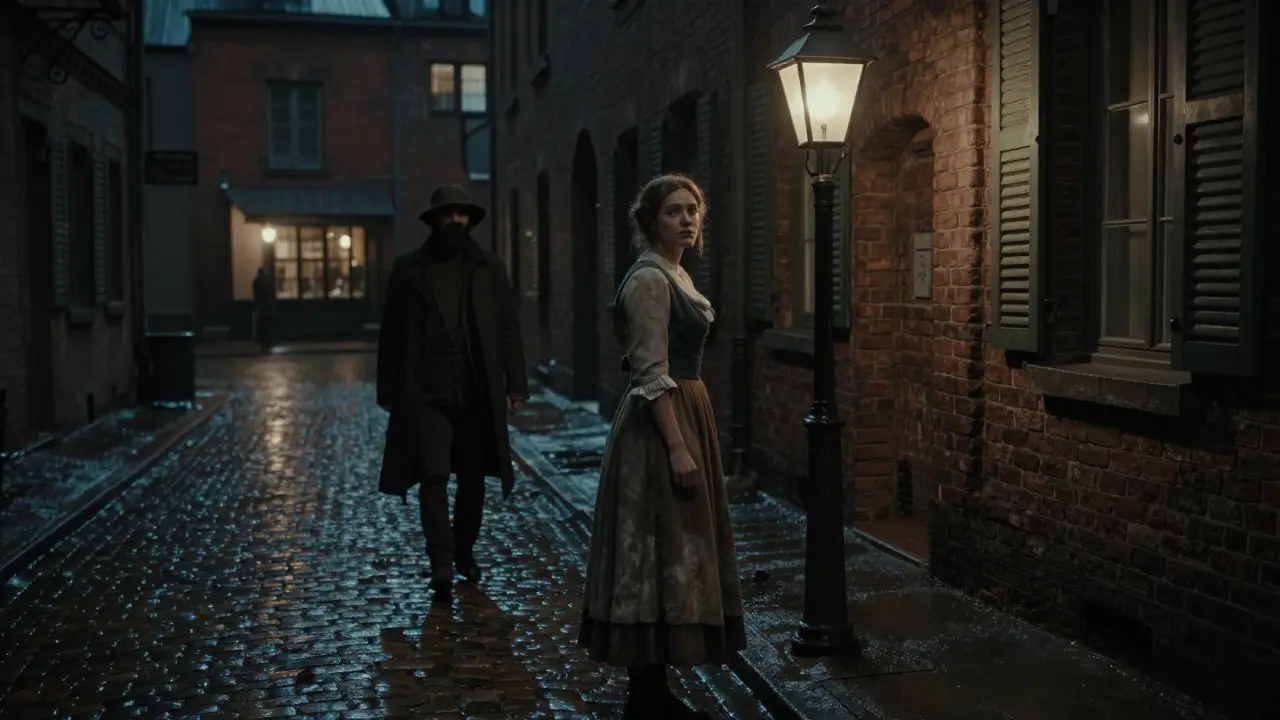
By the 1850s, Berlin was no longer a provincial town-it was the capital of a rising Prussia. Factories drew workers from the countryside. Soldiers filled the barracks. Men came for jobs, and many stayed without families. In neighborhoods like Mitte and Friedrichshain, women began offering companionship and intimacy for money. There was no formal industry then, just informal networks: landladies who turned spare rooms into discreet meeting spots, barmaids who knew which customers were looking for more than a drink.
The city didn’t ban the trade-it regulated it. In 1867, Berlin introduced the Reglementierungsverordnung, a law that forced sex workers to register, undergo weekly medical exams, and carry identification cards. It was meant to control syphilis and protect public morals, but it also made women visible targets for police and social stigma. Those who refused to register worked in silence, often in alleyways or backrooms, at far greater risk.
1920s: The Golden Age of Decadence
The Weimar Republic turned Berlin into a global symbol of liberation. Cabarets blared jazz. Drag performers headlined shows. And escort services? They thrived openly. Women-and men-offered companionship to diplomats, artists, and wealthy tourists from Paris, New York, and London. The city had over 10,000 registered sex workers by 1928, with brothels operating under license in districts like Schöneberg and Kurfürstendamm.
Unlike today’s hidden services, escort work was part of Berlin’s cultural fabric. Writers like Christopher Isherwood wrote about it in Goodbye to Berlin. Artists like George Grosz painted it. Even the police tolerated it, seeing it as a necessary evil in a city that refused to be prudish. The term Escort itself started appearing in newspapers as a polite euphemism for paid companionship.
1933-1945: Suppression and Terror
When the Nazis took power, everything changed. They didn’t just crack down on escort services-they used them as weapons. Homosexual men were rounded up, sent to concentration camps, and marked with pink triangles. Women who worked as escorts were labeled as “asocial,” imprisoned, or forced into labor camps. The regime didn’t care about public health or regulation anymore. They cared about racial purity and moral control.
Even married women who had affairs or took money for sex were punished. The Gestapo kept files on suspected “moral offenders.” Brothels that had once been licensed were shut down. The few that remained operated under SS supervision, serving only high-ranking officials. What had been a visible, even celebrated part of Berlin life became a secret, a crime, a death sentence.

Postwar Years: Division and Discretion
After the war, Berlin was split. In East Berlin, under Soviet rule, prostitution was officially illegal but quietly tolerated. The state didn’t want to acknowledge it, but the demand didn’t vanish. American and British soldiers stationed in West Berlin created a new market. With hard currency and little oversight, women from rural areas and displaced persons camps turned to escorting to survive.
In West Berlin, the Allied occupation forces brought a new kind of regulation. Brothels were banned, but private apartments became the new norm. Women worked through word-of-mouth, phone lists, and trusted intermediaries. The term Escort gained traction again-not as a glamorous label, but as a safer alternative to streetwalking. By the 1970s, the first escort agencies began appearing, offering vetted women, scheduled appointments, and discreet payment.
1990s: Reunification and the Rise of the Modern Industry
After the Wall fell, Berlin became a magnet for young people, artists, and entrepreneurs. But it also became a magnet for human traffickers and organized crime. Eastern European women, many fleeing poverty after the collapse of the USSR, arrived in large numbers. Some came willingly, seeking work. Others were deceived, coerced, or sold.
The city struggled to adapt. The legal gray zone was vast. While selling sex wasn’t illegal, pimping, brothel-keeping, and advertising were. This pushed most escort services underground-or online. By 1998, the first escort websites appeared, using coded language: “companionship,” “time together,” “discreet meetings.” These sites didn’t mention sex. They didn’t have to.
At the same time, German feminists and human rights groups pushed for decriminalization. They argued that criminalizing clients and third parties didn’t protect workers-it made them more vulnerable. By 2002, Germany passed the Prostitution Act, legalizing sex work and allowing escorts to register as self-employed. For the first time in decades, workers could open bank accounts, get health insurance, and report abuse without fear of arrest.

2010s to Today: Digital, Diverse, and Discreet
Today, Berlin’s escort scene is more fragmented than ever. You won’t find neon signs or brothels on street corners. Instead, you’ll find independent workers using Instagram, Telegram, and private booking platforms. Many are students, single mothers, or migrants who choose this work for its flexibility and pay. Others are former models, dancers, or language teachers looking for extra income.
Prices vary widely. A 30-minute meeting might cost €80. A full evening with a high-end escort can run €500 or more. Most workers set their own terms: no drugs, no violence, no unwanted contact. Many use screening tools, share client reviews, and meet in hotels or private apartments with safety protocols.
The city government doesn’t regulate the industry directly. But it does fund support programs: legal aid, HIV testing, and exit counseling for those who want to leave. NGOs like Prostitutes’ Network Berlin offer safe spaces and advocacy. The stigma remains, but it’s fading. Younger generations see escorting not as shame, but as labor-like freelance design or tutoring.
Why It Matters
Berlin’s escort history isn’t a footnote. It’s a mirror. It reflects how power, gender, and economics shape who gets to be seen, who gets punished, and who gets to survive. From the Reglementierungsverordnung to today’s encrypted apps, the same questions keep coming up: Who controls the body? Who profits from desire? Who gets to be safe?
The answer isn’t in laws alone. It’s in how society treats the people doing the work. In Berlin, that’s slowly changing. More workers speak out. More clients respect boundaries. More city officials listen.
There’s no romanticized version of this history. No fairy tale of glamorous nights and champagne. Just real people, in real places, making choices under real pressure. And that’s what makes Berlin’s story-and its escort history-so human.
Is escort work legal in Berlin today?
Yes, selling sexual services is legal in Berlin under Germany’s 2002 Prostitution Act. Workers can register as self-employed, pay taxes, and access social benefits. However, advertising, brothel-keeping, and pimping remain illegal. Most escorts operate independently through private bookings or encrypted apps to stay within the law.
Are there still brothels in Berlin?
No, licensed brothels were banned after the 2002 law. While some establishments still operate under the guise of massage parlors or clubs, they risk police raids if they violate regulations. Today, nearly all escort services are conducted privately-apartments, hotels, or rented spaces-without third-party management.
How do escorts in Berlin find clients now?
Most use digital platforms: private Instagram accounts, Telegram channels, or niche escort websites that don’t openly advertise sex. Some rely on word-of-mouth referrals from past clients. A few still use older methods, like phone hotlines or discreet flyers in certain neighborhoods, but online communication dominates. Safety and discretion are top priorities.
Do escort workers in Berlin have access to healthcare?
Yes, since 2002, registered sex workers can enroll in Germany’s public health system like any other self-employed person. Many also access free services through NGOs, including STI testing, mental health counseling, and legal advice. Some clinics in Berlin offer walk-in appointments specifically for sex workers, with no questions asked.
Is human trafficking a problem in Berlin’s escort industry?
Yes, it remains a serious issue. While many escorts work voluntarily, traffickers still target vulnerable migrants, especially from Eastern Europe and Southeast Asia. Police and NGOs work together to identify victims and offer support. The key difference today is that legal frameworks allow workers to report abuse without fear of arrest-something that didn’t exist before 2002.




Write a comment